
The Thrill of Uncertainty
The unpredictable nature of casino games is one of the primary factors that draws players in. This thrill of uncertainty activates the brain’s reward system, causing a rush of excitement and adrenaline whenever a player risks something—a feeling that is often addictive. Interestingly, for those in search of a hassle-free experience, a crypto casino no verification option can provide quick access. The anticipation of winning creates a psychological high that keeps players returning, as they seek to replicate that euphoric experience.
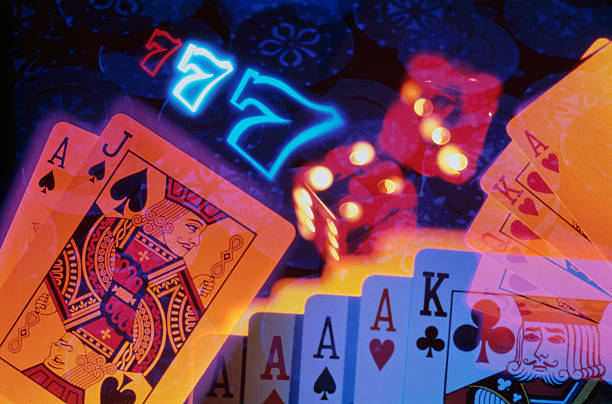
Moreover, the uncertainty of game outcomes fosters a sense of hope. Players often believe that a win is just around the corner, which can lead to prolonged playtime. This interplay of hope and fear serves to enhance the emotional stakes of gambling, making it more emotionally engaging than many other leisure activities.
The Role of Social Interaction
Casinos are not merely places for solitary gaming; they are social venues where players interact with others. This social aspect can significantly enhance the overall gaming experience, as individuals often enjoy sharing their experiences, strategies, and successes with fellow players. Engaging in discussions about wins or losses can build a sense of community and camaraderie.
Additionally, players might experience a social gratification that comes from being part of a larger group, intensifying their loyalty to the casino environment. Group dynamics can significantly influence decision-making, making players feel part of something bigger and encouraging them to return to the casino for more social engagements.
Reward Systems and Gamification
The integration of reward systems, such as loyalty programs and promotional offers, can also affect player retention in casinos. These systems are designed to keep players engaged by providing them with tangible rewards for their continued patronage. The psychology behind this is rooted in behavioral conditioning, where players are trained to associate gaming with positive reinforcement.
Gamification, or the use of game-like elements in non-gaming contexts, can create an additional layer of excitement. By introducing challenges, levels, and rewards, casinos can enhance the gaming experience, making it feel more like an adventure and less like a simple chance-based activity. This contributes to a cycle where players feel motivated to keep coming back to unlock new experiences and benefits.
The Illusion of Control
One intriguing psychological aspect of casino gameplay is the illusion of control. Players often believe that they can influence the outcome of games, particularly in skill-based games like poker or blackjack. This perceived control can encourage them to play longer and more frequently, as they feel empowered by their strategies and decisions.
However, this does not extend to games of chance, where outcomes are purely random. Even so, many players hold onto the belief that they can affect results through methods or rituals, which reinforces their desire to engage with these games repeatedly. This psychological phenomenon reveals how cognitive biases can overshadow the reality of randomness in gameplay.

Understanding the Online Casino Experience
In an era where online casinos are gaining popularity, the psychological impacts remain consistent, albeit influenced by digital interaction. Factors such as accessibility, personalized experiences, and the convenience of playing from home have made online gaming particularly appealing. Websites often use targeted marketing and tailored experiences to attract and retain players.
Furthermore, the sense of security and familiarity when gaming online can foster a different layer of psychological engagement. Players may feel more comfortable exploring their behaviors in a private setting, which can lead to both positive and negative outcomes. As the online landscape continues to evolve, understanding these psychological factors becomes crucial for ensuring responsible gaming practices while maximizing enjoyment.